
Introduction
Many investors start a SIP with enthusiasm, but life circumstances can change.
A job change, unexpected expenses, financial emergencies, or shifting priorities may lead investors to ask:
“What happens if I stop my SIP?”
The good news is that stopping a SIP does not mean you automatically lose your existing investments. However, it may affect your future wealth creation potential and long-term financial goals.
Understanding the consequences of stopping a SIP can help investors make more informed decisions.
What is SIP?
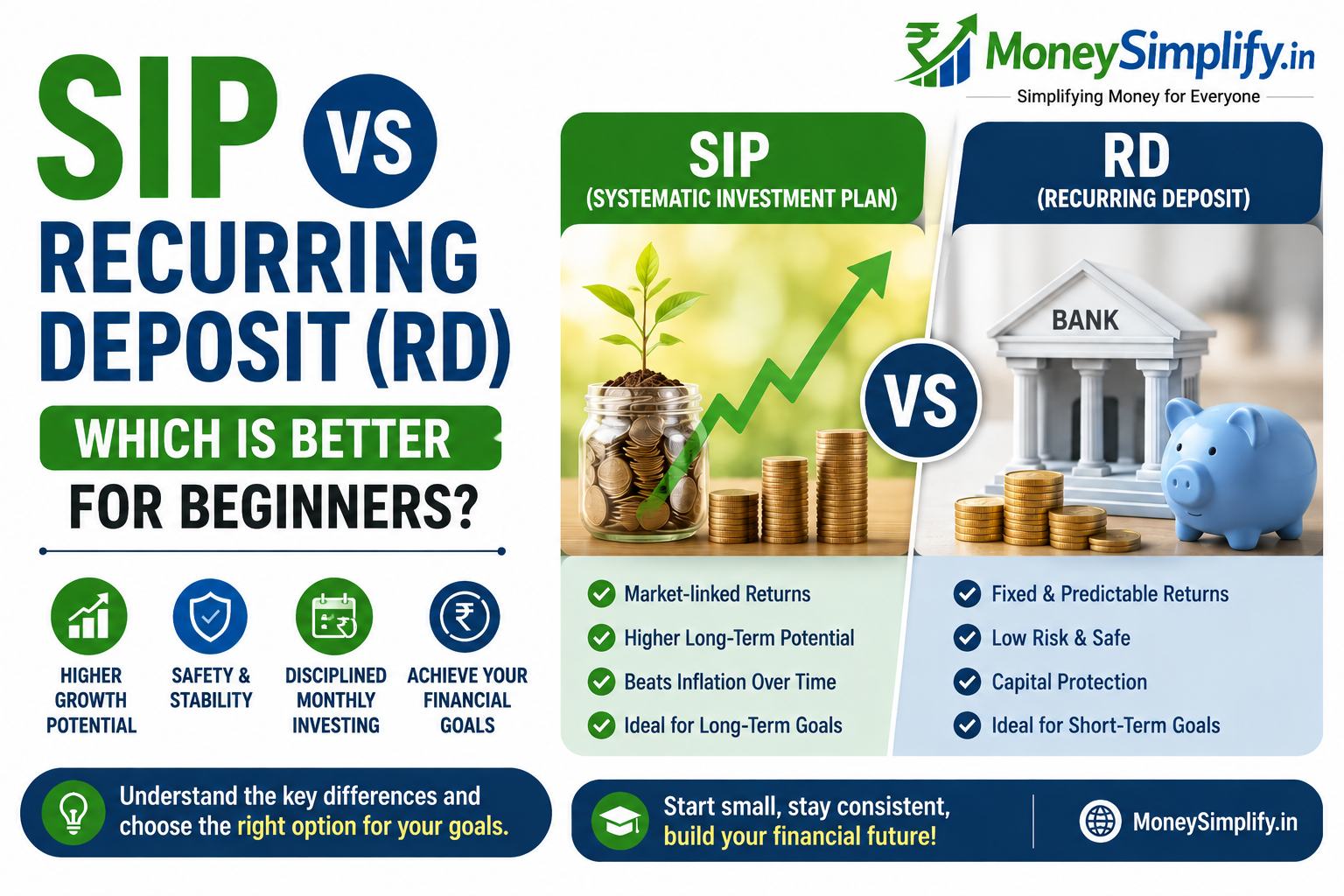
A Systematic Investment Plan (SIP) allows investors to invest a fixed amount regularly into mutual funds.
Instead of investing a large amount at once, SIP investing encourages disciplined investing through periodic contributions.
Many investors use SIPs to work toward long-term financial goals such as:
- retirement planning,
- wealth creation,
- children’s education,
- and financial independence.
Can You Stop a SIP Anytime?
In most cases, yes.
Most mutual fund SIPs are flexible and allow investors to stop future contributions whenever they choose.
Unlike some traditional investment products, SIPs generally do not require investors to continue contributions for a fixed period.
However, specific fund terms and platform policies may vary.
What Happens to Your Existing Investment?
One common misconception is that stopping a SIP means losing all invested money.
This is not true.
When you stop a SIP:
- future SIP contributions stop,
- but your existing mutual fund units usually remain invested.
Your invested amount continues to participate in market movements unless you redeem your investment separately.
Does Stopping SIP Affect Returns?
Stopping a SIP does not directly reduce returns already earned.
However, it may affect future wealth creation because:
- new investments stop,
- compounding opportunities may reduce,
- and long-term investment growth may slow down.
The longer investors remain invested and continue contributing, the greater the potential impact of compounding.
You can use our SIP Calculator to compare potential long-term outcomes if you continue or stop your SIP contributions.
Impact on Long-Term Financial Goals
Many SIP investors invest for goals that may be years or decades away.
Examples include:
- retirement planning,
- children’s higher education,
- purchasing a house,
- and financial independence.
Stopping a SIP may delay progress toward these goals because regular investments no longer continue.
Before stopping a SIP, investors should evaluate how it may affect their financial plans.
Should You Stop SIP During Market Declines?
Many beginners consider stopping SIPs when markets fall.
However, market corrections are often part of long-term investing.
During market declines:
- SIPs may purchase more units,
- investment costs may average out,
- and investors continue participating in future recoveries.
Many long-term investors focus on staying disciplined instead of reacting emotionally to short-term market movements.
Reasons Investors Commonly Stop SIPs
Some common reasons include:
Financial Emergencies
Unexpected expenses may require temporary adjustments.
Job Changes
Income uncertainty may affect investment contributions.
Goal Completion
Investors may stop SIPs after achieving specific financial goals.
Portfolio Rebalancing
Some investors modify investment strategies over time.
Not all SIP stoppages are negative decisions. The reason behind the decision often matters.
Is Pausing Better Than Stopping?
Some investment platforms may offer the option to pause SIP contributions temporarily.
This may allow investors to:
- manage short-term financial challenges,
- avoid completely discontinuing investments,
- and resume contributions later.
Available options may depend on the fund house or investment platform.
Alternatives Before Stopping SIP
Before stopping completely, investors may consider:
- reducing SIP amounts,
- pausing SIP temporarily,
- reviewing monthly budgets,
- adjusting financial goals,
- or consulting a financial advisor if needed.
A smaller SIP may still support long-term investing discipline.
Common Mistakes to Avoid
Some investors make decisions based on short-term emotions.
Common mistakes include:
- stopping SIPs during market corrections,
- expecting quick profits,
- abandoning long-term goals,
- and reacting to temporary market volatility.
Understanding the purpose of SIP investing may help avoid these mistakes.
When Might Stopping SIP Make Sense?
Stopping a SIP may be reasonable in situations such as:
- achieving financial goals,
- changing investment strategies,
- severe financial constraints,
- or reallocating investments based on updated objectives.
Every investor’s situation is different.
The decision should align with personal financial goals and circumstances.
Final Thoughts
Stopping a SIP does not mean losing your existing investments.
Your mutual fund units generally remain invested, and you can continue benefiting from market participation unless you choose to redeem them.
However, stopping SIP contributions may reduce future compounding opportunities and slow progress toward long-term financial goals.
Before making a decision, investors should consider:
- their financial situation,
- investment objectives,
- and long-term plans.
For many investors, consistency and patience remain important elements of successful long-term investing.